Sliding Doors vs. Traditional Doors: Which Is Best for You?
Deciding among sliding doors and traditional doors requires various considerations. Each option offers unique advantages and drawbacks that can profoundly impact a home's performance and visual appearance. Limited space, thermal performance, and safety are several factors to weigh. Recognizing these elements will help determine which door type corresponds best with individual requirements. What might be the best fit for your home? The answer varies based on personal situations and tastes.

Finding the Best Choice: Important Elements to Deliberate for Your Home
When deciding between sliding doors and traditional doors, what important considerations should property owners think about? Space availability is essential; sliding doors need less clearance, making them suitable for tighter areas. Conversely, traditional doors need room to swing open, which can restrict placement options. Aesthetic preferences also play an important role, as sliding doors offer a modern look while traditional doors can inspire classic charm.
Energy efficiency is another factor. Sliding doors often include large glass panels that may affect insulation, while traditional doors can provide better thermal performance if properly sealed. Security concerns are crucial; traditional doors typically come with robust locking mechanisms, whereas sliding doors may require additional reinforcement.
Moreover, upkeep needs vary; sliding door systems may require more maintenance due to tracks and seals. Ultimately, assessing these considerations helps homeowners make an well-informed decision that matches their specific needs and lifestyle.
Why Opt for Sliding Doors?
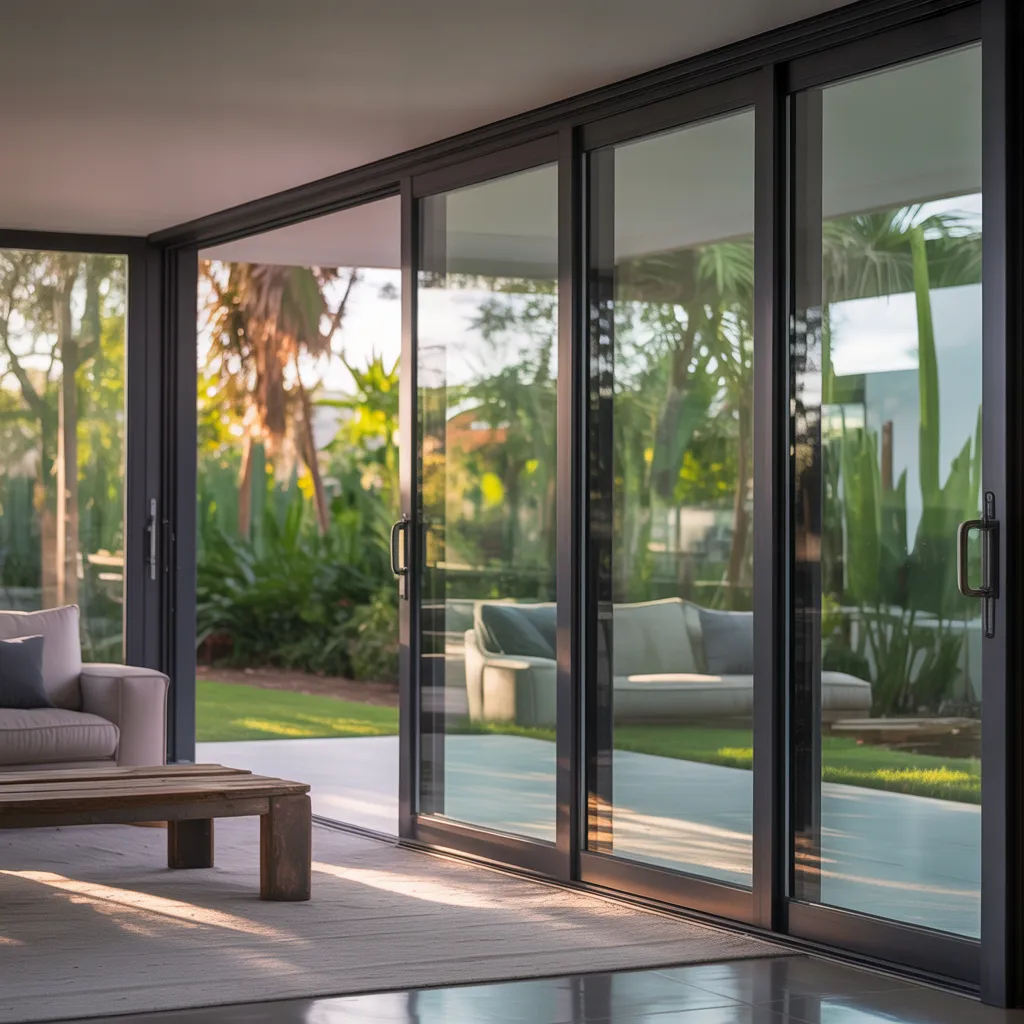
Sliding doors present substantial advantages for dwellers seeking economy and style. Their space-conserving design facilitates for seamless passages between indoor and outdoor areas, maximizing usable space. Additionally, the expansive glass panels enhance natural light, fostering a brighter and more engaging atmosphere.
Compact Space Solutions
Many inhabitants are in search of effective ways for expanding space, and sliding doors offer a compelling alternative to traditional doors. Unlike conventional doors that swing open, sliding doors operate on a track, eliminating the need for clearance space. This feature makes them particularly advantageous in smaller rooms or tight hallways where every inch counts. Moreover, sliding doors can naturally integrate into existing layouts, permitting more flexible furniture arrangements. Their design also facilitates easy access to outdoor areas, enhancing utility without taking additional interior space. Additionally, sliding doors can create a more open feel, contributing to a less cluttered environment. Overall, the space-saving benefits of sliding doors make them an attractive option for those desiring to optimize their living areas.
Boosted Natural Light
The arrangement of sliding doors not only opens up space but also elevates natural light in a home. Unlike traditional doors, which swing open and can limit light flow, sliding doors offer expansive glass panels that invite sunlight to flood interior spaces. This feature creates a sunlit atmosphere, making rooms appear larger and more inviting. Additionally, the seamless shift between indoor and outdoor areas allows homeowners to enjoy unobstructed views, further enhancing the feeling of openness. By incorporating sliding doors, individuals can reduce reliance on artificial lighting during the day, promoting a more resource-conscious environment. Ultimately, the integration of sliding doors can greatly transform a home, making it a more vibrant and welcoming space filled with natural light.
The Lasting Attraction of Conventional Doors
While current aesthetic directions often shift towards forward-thinking methods, traditional doors copyright an enduring charm that resonates through generations. Distinguished by their expert construction and vintage appeal, these doors awaken a sense of nostalgia and friendliness that appeals to many homeowners. Often made from solid wood, traditional doors provide a sturdy and perennial look, enhancing the character of any space.
Their intricate designs, such as raised panels and decorative moldings, offer a rich visual texture that aligns with various architectural styles, from colonial to contemporary. Traditional doors also demonstrate a sense of stability, making them a preferred choice for those pursuing to develop an inviting atmosphere.
Moreover, their versatility enables for personalization, allowing homeowners to choose finishes and hardware that demonstrate personal style. In an era of rapid change, the appeal of traditional doors persists, displaying a classic elegance that continues to inspire.
Comparing Power Consumption in Sliding vs. Traditional Doors?
Energy efficiency is crucial in selecting between sliding and traditional doors. Sliding doors often contain large glass panels that can boost natural light but may weaken insulation if not properly sealed. These doors typically utilize weather stripping to reduce air leakage, yet the expansive surface area can cause greater heat loss or gain, depending on the season.
Conversely, time-honored doors, especially solid wood or fiberglass options, commonly supply superior insulation. Their modest size and reduced seams produce decreased air leakage, positioning them as a sound selection for energy-conscious homeowners. Furthermore, classic doors can be furnished with energy-efficient glass options, even further boosting their thermal performance.
Ultimately, the determination depends on individual priorities—while panel sliding doors present design beauty and expansive views, classic doors may supply better energy efficiency and weatherproofing, positioning them as a practical choice in diverse climate conditions.
What Is the Price of Sliding and Traditional Doors?
The price of traditional and sliding doors can vary considerably based on material choices and installation. While costs for installation may differ due to complexity of design, the average expenses for material options also are significant in overall pricing. Understanding these elements is vital for making an informed decision.
Deployment Charges Comparison
When considering installation costs, sliding doors regularly pose a more expensive option versus traditional doors. The intricacy of their installation, which may call for specialized tracks and structural modifications, causes higher labor costs. Additionally, professional installation is more frequently required for sliding doors due to their weight and size. In contrast, traditional doors tend to have simpler installation processes, making them more budget-friendly. Homeowners might also factor in the potential need for extra framing or reinforcement when installing sliding doors, further escalating overall expenses. Ultimately, while sliding doors may add visual appeal, their installation costs can be a major factor for budget-conscious homeowners when choosing between the two options.
Average Material Costs
Installation costs are only one component of the overall expense when considering sliding versus traditional doors. The material expenses for these door types can differ significantly. Traditional doors, typically made from wood, fiberglass, or steel, generally cost between $200 to $1,500, depending on the material and design complexity. In contrast, sliding doors, often constructed from glass or aluminum, usually start around $300 and can exceed $2,000 for high-end models. The choice of materials not only affects initial costs but also long-term maintenance. For instance, while wooden doors may require regular refinishing, sliding glass doors often necessitate frequent cleaning to maintain visibility. Ultimately, understanding material expenses is crucial for making an informed decision between the two door types.
Preserving Your Investment: Sliding Versus Traditional Doors
Keeping the integrity of sliding and traditional doors requires varied approaches, as each type holds particular challenges and benefits. Sliding doors primarily rely on tracks and rollers, asking for regular cleaning to prevent debris buildup that might impede movement. Periodic lubrication of the tracks is also crucial to guarantee smooth operation. In addition, the seals around sliding doors must be checked frequently to prevent air leaks and water intrusion.
In contrast, traditional doors mainly need focus on copyrights and frames. Routine inspections for wear or rust on copyrights are essential, as well as ensuring that the door aligns properly within the frame. Painting or staining wooden doors can help shield from weather damage. Both door types benefit from regular check-ups and maintenance schedules, allowing homeowners to extend their lifespan and maintain aesthetic appeal. Ultimately, understanding these maintenance needs is fundamental for maintaining the performance and look of either door style.
What Security Level Do Traditional and Sliding Doors Offer?
Although both traditional and sliding doors serve as entry points to a home, their safety characteristics differ markedly. Traditional doors typically feature a solid frame and a deadbolt lock, providing robust protection against forced entry. The use of durable materials like wood or metal further strengthens their security, making them a preferred option for homeowners emphasizing safety.
In comparison, sliding doors often contain glass panels, which can be more vulnerable to intrusions. While many modern sliding doors incorporate multi-point locking systems, they may still be susceptible if not adequately locked. Additionally, the tracks on which they slide can be a vulnerable area, permitting intruders to lift the door off its track.
The decision between traditional and sliding doors copyrights on individual safety needs. Homeowners should evaluate their specific situations and consider additional safety features, such as alarm systems and discover the information reinforced locks, to improve overall security.
Commonly Asked Questions
Curious if Sliding Glass Panels Function in Limited Spaces?
Yes, pocket doors can be installed in small spaces. Their structure enables efficient use of limited areas, as they do not need swing clearance, rendering them an ideal choice for compact environments and increasing functional space.
Which Choices Can You Access for Heritage Doors?
Traditional doors can be found in various styles, including panel, French, bi-fold, and barn doors. Each design boasts distinctive character and practical value, catering to diverse tastes and architectural directions in residential and commercial spaces.
Are Sliding Doors Appropriate for Animal Safety?
Sliding doors might pose dangers for pets, particularly when they are missing effective safety locks. Owners need to validate correct setup and assess options like tempered glass to increase protection for their pets.
How Can I Choose the Right Door Hardware for My Doors?
When selecting door hardware, factor in style, operation, and security. Assess compatibility with the door type, opt for finishes that suit decor, and confirm user-friendly operation. Most importantly, prioritize durability for long-term performance and safety.
Is it doable to adjust the size of Sliding Doors?
Yes, sliding doors can be modified in size to fit specific openings. Many companies offer tailored solutions, making it possible for adjustments in height and width to support assorted design considerations and requirements, ensuring a perfect fit.
Comments on “Aluminium Patio Doors for Space Saving”